
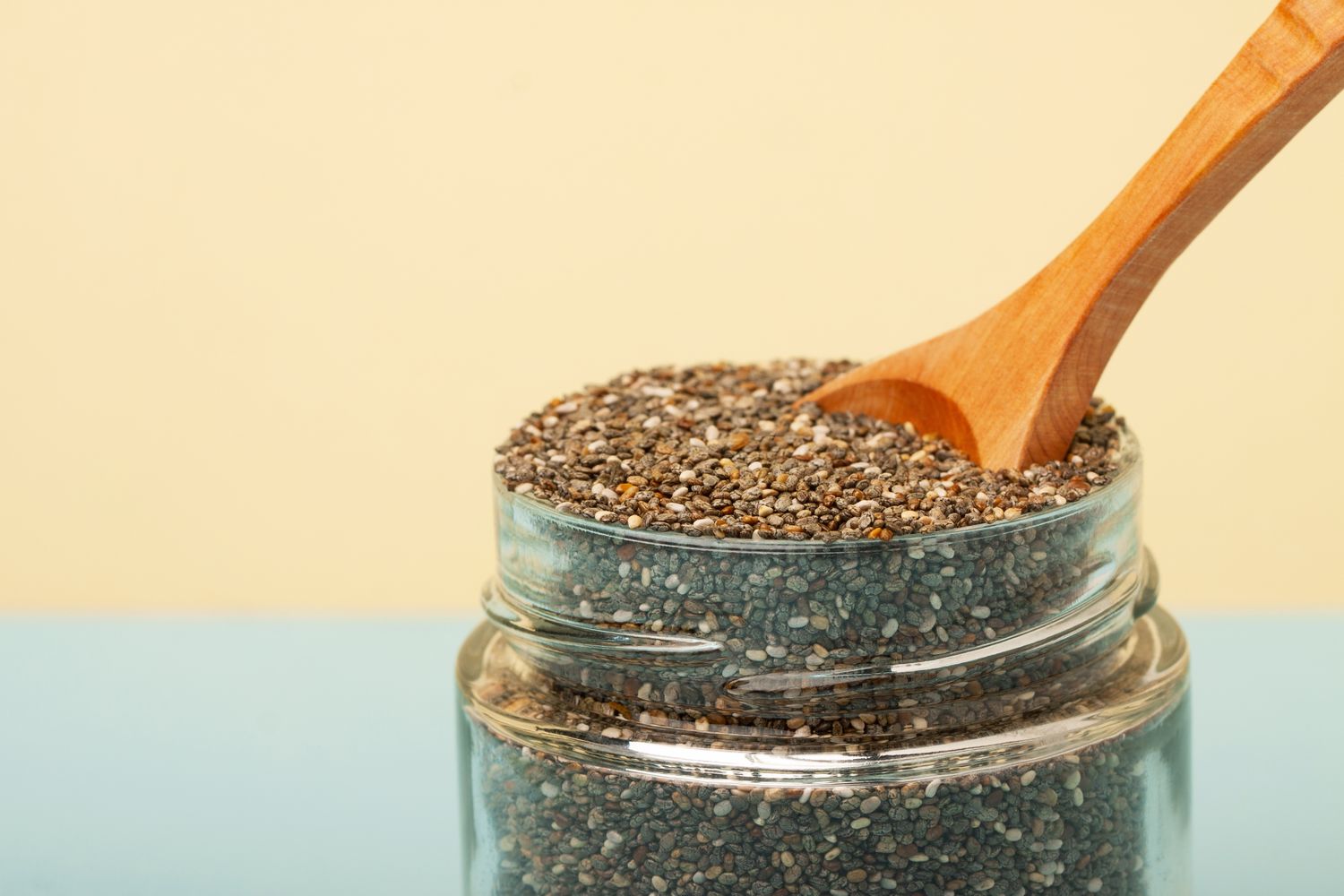
Chia seeds are a superfood packed with omega-3 fatty acids, protein, and fiber, among other nutrients. Regularly consuming chia seeds can help improve your overall skin health.
1. Hydrate and Help Retain Moisture
Research suggests that chia seeds can help hydrate your skin.
The omega-3 fatty acids in chia seeds work together to form vitamin F, which plays a significant role in maintaining skin health and strengthening the skin barrier. Research is underway to develop concentrated versions of this substance from chia seed oil.
In addition to the moisturizing properties of chia seed oil, studies suggest that the chia seeds' ability to retain moisture can also be harnessed for pharmaceutical and cosmetic purposes.
2. Offer Anti-Aging Properties
Antioxidants in chia seeds benefit skin health by protecting the body from pollutants and irritants known as free radicals. Over time, unstable free radical molecules can damage cells and contribute to aging. Internal and topical use of chia seeds, specifically chia oil, can help combat these changes.
3. Help Reduce Inflammation
The combination of antioxidants, omega-3 fatty acids, and fiber in chia seeds is responsible for the seeds' anti-inflammatory effects. Chia is a rich source of these substances, and studies have linked them to reducing C-reactive protein markers, a significant sign of inflammation in the body.
Although anti-inflammatory substances are often thought of in terms of pain relief or swelling reduction, they can also benefit red, inflamed, or puffy skin from irritation or chronic illness.
Related Stories
6 Ways Chia Seeds Support Women's Health Naturally
Tea, Chocolate, and 3 More Foods That Can Help Lower Your Blood Pressure Naturally
4. Support Your Skin Barrier
While not as concentrated as some other nutrients in chia, several vitamins and minerals in these powerful seeds help support the skin barrier.
Your skin barrier is the part of the skin that keeps pollutants, infectious organisms, and other damaging elements out of your body. When the skin barrier is weak, you are more susceptible to injury and infection of the skin.
The specific elements in chia that can help support the skin barrier include:
- Niacin
- Omega-3 fatty acids
- Peptides
- Vitamin A
- Vitamin E
- Zinc
5. Boost Collagen Production
The nutrients in chia seeds can help slow or stop processes that damage your cells. The peptides, or amino acids, found in chia seeds have been shown to reduce the activity of enzymes like elastase and collagenase, which break down your skin's strength and elasticity.
By inhibiting or weakening these enzymes, collagen and elastin improve, resulting in more taut skin.
Chia Seed Nutrition
Eat chia seeds regularly to reap some of their skin health benefits. How much you should eat daily depends on your overall health, wellness goals, and nutritional needs. In general, one serving of dry chia seeds is one ounce (two tablespoons), which provides the following nutrients:
| Nutrient | Amount |
| Calories | 138 |
| Protein | 4.68 grams (g) |
| Carbs | 11.9 g |
| Fat | 8.7 g |
| Fiber | 9.75 g |
| Vitamin A | 15.3 international units (IU) |
| Vitamin E | 0.142 milligrams (mg) |
| Niacin | 2.5 mg |
| Zinc | 1.3 mg |
Additional Benefits of Eating Chia Seeds
When you ingest chia seeds or chia oil, the many beneficial elements can impact almost every organ, leading to body-wide benefits like:
- Anti-hypertensive effects (reduce blood pressure and support cardiovascular health)
- Cancer-fighting properties
- Cholesterol reduction
- Glycemic control and diabetic support
- Improved bowel regimens
- Improved digestion
- Increased cognitive performance
Eating chia seeds supports the skin barrier, improves moisture retention, and helps reduce visible signs of aging and inflammation.
Potential Side Effects
Eating too much chia can cause issues primarily due to the seed’s high fiber content. The most common side effects include:
- Bloating
- Constipation
- Diarrhea
- Digestive problems
Other adverse effects that have been linked to heavy chia consumption may include:
- Allergic reactions
- Decreased nutrient absorption
- Electrolyte imbalances


