
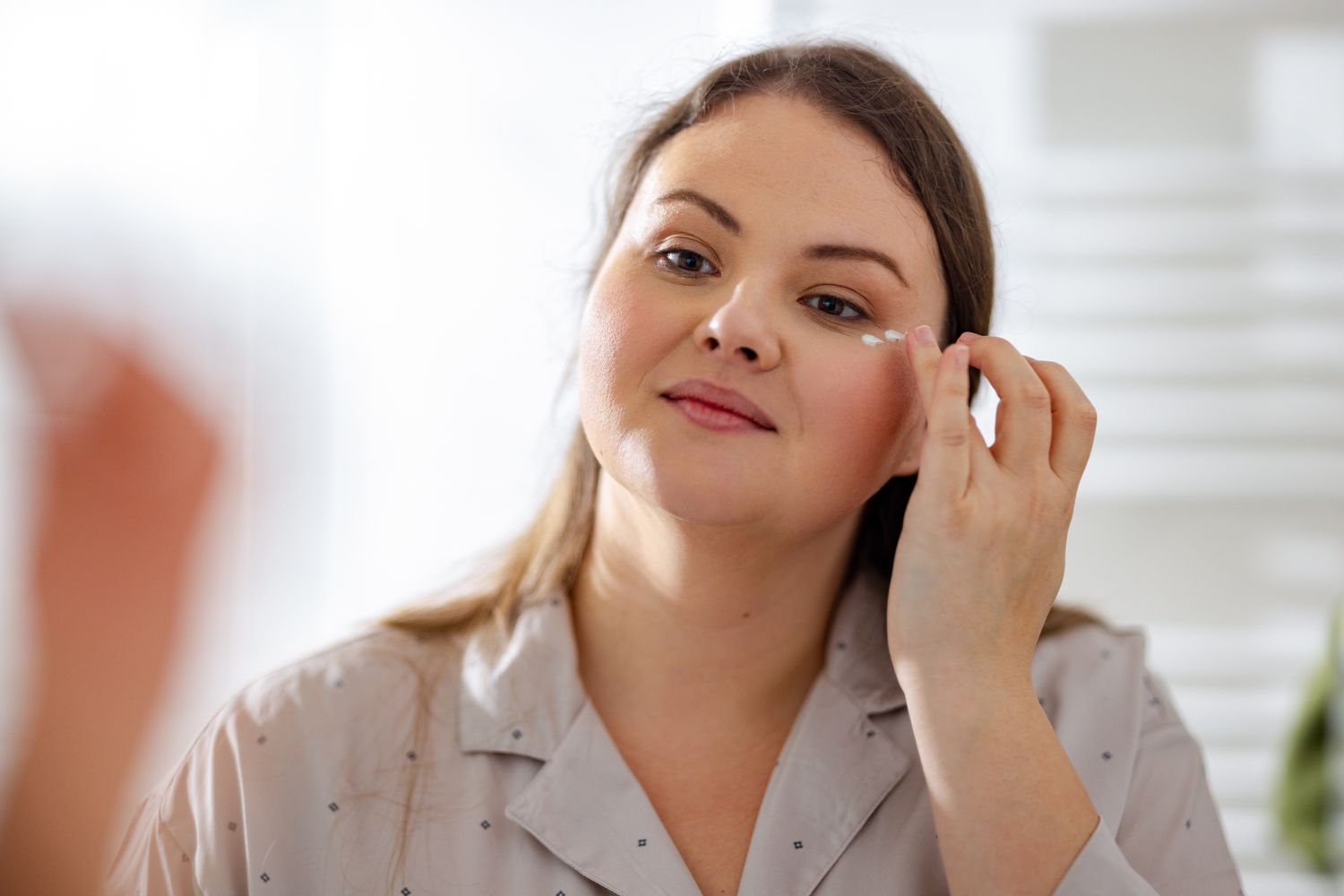
It's common to experience puffy eyes after you've been crying. These treatments, which you can do at home, can help soothe puffiness and irritation.
miniseries / Getty Images
1. Cool Compress
Cooling the area reduces blood flow and lessens inflammation. You can use items such as:
- A frozen bag of vegetables
- An ice pack
- Refrigerated spoons
- A cool and damp cloth
- A commercial cooling eye mask
- Cool cucumber slices
Place the cool object over your closed eyes for a few minutes. Do not apply ice directly to the skin, as this can damage the skin; make sure there is a barrier between the ice and your eyes.
2. Caffeine
Caffeine is a vasoconstrictor (constricts blood vessels) which can help with eye puffiness. You can try putting chilled, caffeinated tea bags on closed eyes, or look for cosmetic eye creams that contain caffeine.
Ways to use caffeine for eye puffiness:
- Apply chilled, caffeinated tea bags (like black or green tea) to closed eyes for a few minutes
- Use eye creams or gels that list caffeine as an active ingredient
- Store eye products in the fridge for an extra cooling effect
3. Hemorrhoid Creams
Over-the-counter creams for hemorrhoid treatment contain ingredients such as phenylephrine, which narrows blood vessels and reduces swelling. It can be pat on the skin under the eyes, but should be used with extreme care.
These products may cause irritation on the skin and tissues near the eye, and you must be careful not to get it in your eye.
Warning: These creams are not designed for use near the eyes. They can cause burning, redness, irritation, or allergic reactions, and should never be applied near broken skin or too close to the eye itself. Always do a patch test first and consult a healthcare provider before use.
4. Massage
Using your clean fingers, gently massage the area around your eyes to promote lymphatic drainage and reduce puffiness.
Start at the inner corners of your eyes near the bridge of your nose, then use light, sweeping motions to move outward toward the outer corners. Apply only gentle pressure—enough to move the skin slightly but not to cause discomfort. You can also lightly tap using your ring fingers (which apply the least pressure) to stimulate circulation.
This can help reduce fluid buildup and support the natural drainage process of the lymphatic system.
For added benefit, try this massage with a cool eye roller or chilled jade roller.
Related Stories
9 Calamine Lotion Uses (and When Not to Use It)
Alopecia Universalis: A Subtype Capable of Causing Complete Hair Loss
Why Does Crying Cause Puffy Eyes?
The lacrimal glands above each eye produce your tears, which spread across the surface of your eye then drain into the tiny holes (puncta) in the corners of the upper and lower eyelids.
Tears then travel through canals in the lids and down a duct, emptying into the nose where they evaporate or are reabsorbed. If more tears are produced than this system can handle, tears run out of the eyes and down the face, and sometimes come out of the nose.
Crying can cause puffiness because:
- Increased activity in the lacrimal glands can lead to inflammation of the glands and swelling
- Tears may be retained in the tissues in the lower eyelids while waiting to be reabsorbed
- Low salt content in emotional tears causes them to be absorbed by surrounding tissue that has a higher salt concentration, leading to puffy eyes
When to Call a Healthcare Provider
Puffy eyes or bags under your eyes are usually harmless and only require treatment if you want to change their appearance. If they are persistent, they could be an indication of a medical problem, such as:
- Allergies
- Thyroid eye disease
- Blepharitis (blocked tear ducts)
- Infection
- The start of whole-body edema (swelling)
- Kidney problems or failure
Talk to your healthcare provider or ophthalmologist (eye doctor) if your eye puffiness is persistent, and/or accompanied by symptoms such as:
- Pain
- Itching
- Redness


